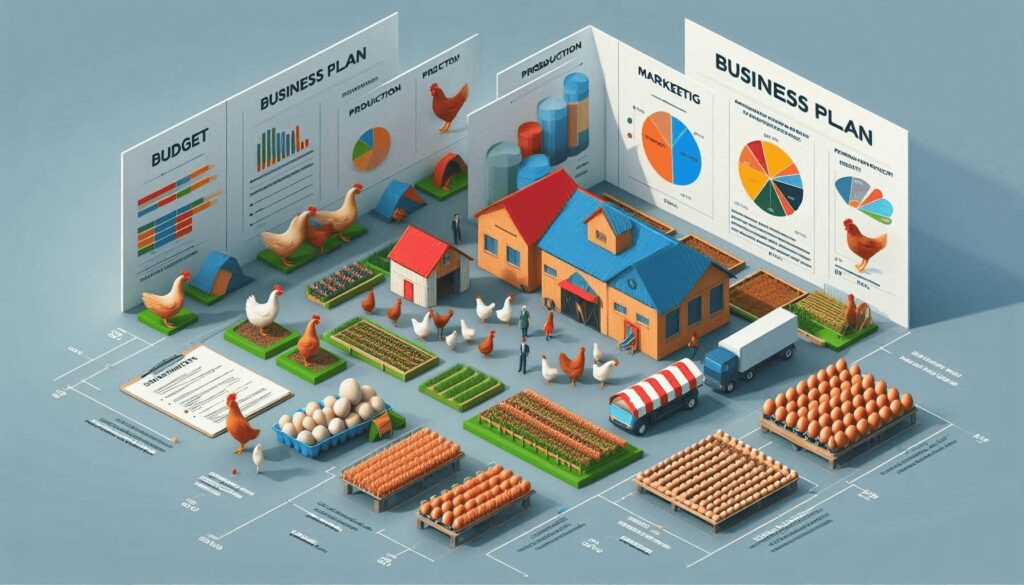
Starting a poultry farm can be a lucrative venture if you have a well-structured business plan for poultry farm. This article will guide you through the essential steps needed to create a successful poultry farming business. Whether you’re planning to start small or go large scale, a comprehensive business plan for poultry farm is crucial to your success.
1. Introduction to Poultry Farming
Before diving into the details, it’s important to understand why having a business plan for poultry farm is essential. Poultry farming involves raising domesticated birds like chickens, ducks, and turkeys primarily for meat or eggs. With increasing demand for poultry products worldwide, the industry offers significant profit potential. However, success depends largely on the quality of your business plan for poultry farm.
2. Market Research
Market research is the backbone of any successful business plan for poultry farm. Before diving into operations, it’s crucial to understand the dynamics of the poultry industry in your region. Start by identifying your target market—
- Who are the primary consumers of poultry products in your area?
- Are they local households, restaurants, supermarkets, or food processing companies?
- Analyze consumer preferences to determine whether there is a higher demand for broilers, layers, or specialty poultry products like organic or free-range eggs.
Additionally, study your competitors to understand their strengths, weaknesses, and market positioning. This analysis will help you identify gaps in the market that your poultry farm can fill. Understanding current trends, such as the growing demand for organic poultry products or shifts in consumer buying habits, will allow you to tailor your business plan for poultry farm to meet market demands effectively, ensuring your farm’s profitability and long-term success.
3. Choosing the Right Location
Location plays a critical role in the success of your poultry farm. A strategic location should be accessible, have a reliable water supply, and be close to your target market. Your business plan for poultry farm should include a detailed analysis of the location’s advantages and potential challenges.
Accessibility:
- Prioritize a location with good road access to facilitate the transportation of supplies and distribution of poultry products.
- Proximity to target markets reduces transportation costs and ensures fresher products, enhancing your competitive advantage.
Availability of Resources:
- Ensure the location has a reliable water supply, essential for the birds’ drinking needs and maintaining cleanliness in poultry houses.
- Access to utilities like electricity is crucial for powering equipment and maintaining a stable environment for the poultry.
Environmental Factors:
- Consider the local climate, as extreme weather conditions (e.g., excessive heat or cold) can impact bird health and require additional investment in heating or cooling systems.
- Select a site that minimizes exposure to adverse weather while optimizing natural ventilation and light.
Regulatory Compliance:
- Ensure the location adheres to local zoning laws and environmental regulations to avoid legal issues.
- Plan for effective waste management practices that minimize environmental impact and meet regulatory requirements.
Long-term Sustainability:
- A well-chosen location supports efficient operations, minimizes risks, and ensures the long-term sustainability of your poultry farm.
- Consider community relations and the potential impact of your farm on the surrounding environment and population
4. Investment and Financial Planning
One of the most important components of your business plan for poultry farm is financial planning. Calculate the startup costs, including land, equipment, feed, and labor. It’s essential to budget for unexpected expenses and have a clear plan for funding your operation. Whether you’re self-funding or seeking investors, a well-drafted plan for poultry farm will be your roadmap to financial success.
Key Considerations for Investment and Financial Planning
- Startup Costs:
- Land Acquisition: Include costs for purchasing or leasing land suitable for poultry farming, considering factors like location, size, and future expansion potential.
- Construction and Infrastructure: Budget for building poultry houses, storage facilities, and any necessary infrastructure, such as fencing, water supply systems, and waste management systems.
- Equipment and Machinery: Account for purchasing essential equipment like feeders, waterers, incubators, ventilation systems, and transportation vehicles.
- Operational Costs:
- Feed and Supplements: Plan for ongoing costs of poultry feed, nutritional supplements, and any special diets required to maintain bird health and productivity.
- Labor: Include salaries, wages, and benefits for farm workers, managers, and any specialized staff like veterinarians or technicians.
- Utilities: Estimate regular expenses for electricity, water, and gas, which are necessary for maintaining optimal conditions within the poultry houses.
- Unexpected Expenses:
- Emergency Fund: Set aside a contingency fund to cover unexpected costs such as disease outbreaks, equipment breakdowns, or sudden price fluctuations in feed.
- Insurance: Consider the cost of insuring your farm against risks like natural disasters, theft, or liability claims.
- Funding Options:
- Self-Funding: Assess your ability to fund the farm with personal savings or contributions from partners.
- Loans and Grants: Explore options for agricultural loans, government grants, or subsidies specifically designed for poultry farming. Include potential interest rates and repayment terms in your financial plan.
- Investors: If seeking external investors, prepare a compelling pitch highlighting the profitability and growth potential outlined in your business plan for poultry farm.
- Revenue Projections:
- Sales Forecasting: Estimate income from the sale of eggs, meat, and other poultry products based on market research and production capacity.
- Diversification: Consider additional revenue streams such as selling manure, offering farm tours, or adding value to products (e.g., processing meat or eggs).
- Break-Even Analysis: Calculate the break-even point to determine when your farm will start generating profit after covering all costs.
- Financial Monitoring:
- Budgeting and Cash Flow Management: Create a detailed budget and monitor cash flow regularly to ensure that expenses are within limits and profits are maximized.
- Record Keeping: Maintain accurate financial records to track income, expenses, and profitability, which is essential for tax purposes and financial planning.
- Financial Review: Regularly review and update your financial plan to adapt to changes in market conditions, operational costs, or expansion plans.
- Long-Term Financial Planning:
- Expansion Plans: Include financial projections for future growth, such as scaling up production, entering new markets, or diversifying your product offerings.
- Sustainability Investments: Consider investments in sustainable practices, such as renewable energy or organic farming, which can reduce long-term costs and appeal to eco-conscious consumers.
- Exit Strategy: Plan for the future, whether it involves passing the farm to the next generation, selling the business, or transitioning to a different agricultural venture.
5. Poultry Housing and Equipment
A crucial part of your business plan for poultry farm is planning for poultry housing and equipment. Proper housing ensures the health and productivity of your birds. Your plan for poultry farm should include specifications for the type of housing, ventilation systems, feeding equipment, and waste management solutions you’ll use.
6. Selecting the Right Poultry Breed
Choosing the right breed is essential for a profitable poultry farm. Your business plan for poultry farm should specify whether you’ll raise broilers for meat or layers for eggs. Consider factors like growth rate, feed conversion ratio, and disease resistance when making your choice.
Key Considerations for Selecting the Right Poultry Breed in India
- Understanding Market Demand:
- Regional Preferences: Different regions in India have varying preferences for poultry products. For instance, broilers are highly demanded in urban areas, while rural areas may show a higher preference for native breeds due to their flavor and adaptability.
- Consumer Trends: There’s a growing market for organic and free-range poultry in metropolitan cities like Delhi, Mumbai, and Bangalore. Selecting breeds that can be marketed as organic or free-range can tap into this lucrative segment.
- Climate Suitability:
- Adaptation to Local Climate: Choose poultry breeds that are well-adapted to the local climate. For example, in hot and humid regions like Kerala or Tamil Nadu, breeds that are heat-tolerant and resilient to local diseases are preferable.
- Seasonal Considerations: In regions with extreme weather conditions, such as Rajasthan’s hot summers or Himachal Pradesh’s cold winters, selecting breeds that can thrive in these conditions is crucial for maintaining productivity year-round.
- Productivity and Growth Rate:
- Broilers vs. Layers: Decide between broilers, which are raised for meat, and layers, which are raised for egg production. In India, popular broiler breeds include Cobb and Vencobb, known for their fast growth rates, while layer breeds like White Leghorn are preferred for their high egg production.
- Dual-Purpose Breeds: Consider dual-purpose breeds like Rhode Island Red or Kadaknath, which are popular in India for both meat and eggs. Kadaknath, in particular, is highly valued for its unique black meat, which has medicinal properties and fetches a higher market price.
- Disease Resistance:
- Native Breeds: In many parts of India, native breeds like Aseel or Giriraja are favored for their natural disease resistance, which reduces the need for expensive veterinary care and increases overall farm sustainability.
- Vaccination and Health Management: Even with disease-resistant breeds, it’s essential to include vaccination protocols and health management practices in your business plan for poultry farm to ensure the well-being of your flock.
- Feed Conversion Efficiency:
- Cost of Feed: Feed is one of the largest ongoing expenses in poultry farming. Selecting breeds with a high feed conversion ratio (FCR), which means they convert feed into body mass or egg production efficiently, can significantly reduce costs.
- Locally Available Feed: In India, where the cost of imported feed can be prohibitive, choosing breeds that thrive on locally available feed ingredients like maize, soybean, or millets can further reduce expenses and enhance profitability.
- Cultural and Religious Considerations:
- Breed Selection and Local Customs: In regions with specific cultural or religious practices, such as the preference for non-vegetarian food in certain communities or the avoidance of certain animals in others, selecting the appropriate breed that aligns with these customs is important for market acceptance.
- Festive Demand: Certain breeds may be more popular during festivals like Eid, Diwali, or Christmas, where there is a surge in demand for poultry. Planning your breed selection and production cycles around these festivals can maximize profits.
- Government Schemes and Subsidies:
- Support for Native Breeds: The Indian government often provides subsidies and support for raising native breeds as part of initiatives to preserve indigenous species and promote rural livelihoods. Including such breeds in your business plan for poultry farm can help you avail these benefits.
- Training and Extension Services: Utilize government-sponsored training programs and extension services to learn about the best practices in breed selection, which can enhance your farm’s productivity and sustainability.
By carefully considering these factors when selecting the right poultry breed, you can ensure that your business plan for poultry farm is tailored to the unique demands of the Indian market, optimizing both productivity and profitability.
7. Feeding and Nutrition Plan
Feeding constitutes a significant portion of the operating costs in poultry farming. A detailed feeding and nutrition plan should be included in your business plan for poultry farm. This plan should outline the type of feed, feeding schedule, and nutritional supplements to ensure optimal growth and productivity.
8. Health Management
Disease prevention and health management are critical to the success of your poultry farm. Your business plan for poultry farm should include a health management strategy, detailing vaccination schedules, biosecurity measures, and veterinary care.
Also read – 10 Business Ideas for Housewives: Turning Passion into Profit
9. Marketing Strategy
No business plan for poultry farming is complete without a robust marketing strategy. Identify your sales channels, whether through local markets, supermarkets, or direct-to-consumer sales. Your marketing strategy should also consider pricing, branding, and promotional activities to build customer loyalty.
10. Profitability and Growth Potential
Finally, your business plan for poultry farm should project profitability and outline growth potential. Include financial projections for the next 3-5 years, highlighting expected revenue, profits, and expansion plans. A strong growth strategy will not only attract investors but also keep your business on track for long-term success.
Conclusion
Creating a successful poultry farm requires careful planning and execution. By following this guide and crafting a detailed plan for poultry farming, you can set yourself up for a profitable venture. Whether you’re new to poultry farming or looking to expand, a well-thought-out business plan for poultry farm is the key to achieving your business goals.